
3 Key Takeaways

Lab glassware isn’t in one price bracket.
In Malaysia, a Class A volumetric flask can be under RM20 from some channels, while branded Class A packs can run into the hundreds.
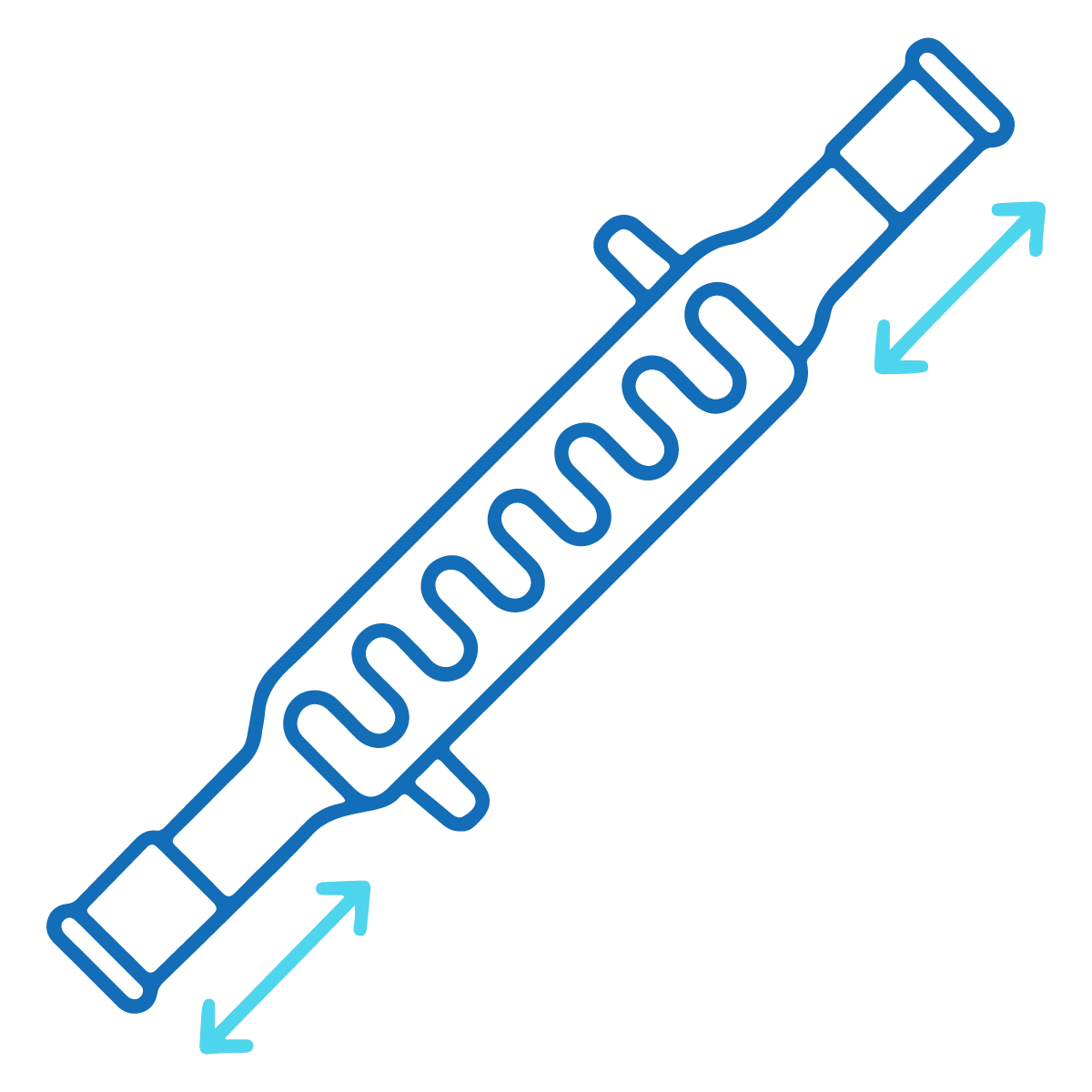
Specialist setups cost more because design matters.
Jointedware and condensers are priced based on joint size, jacket length, stopcock type, and build quality, not just “glass + size.”

Total cost is more than the invoice.
Breakage, downtime, lead time, and whether you can repair or custom-build parts all affect long-term spending, especially for R&D and industrial labs.
What Is Laboratory Glassware
Laboratory glassware comprises the glassware used to measure, mix, heat, distil, store, and transfer chemicals and samples. For most labs, the core categories are:
Volumetric ware
(volumetric flasks, pipettes, burettes)
Used when accuracy matters
Jointedware and apparatus
(adapters, condensers, receivers)
Used for distillation, reflux, synthesis, vacuum work
General glassware
(beakers, bottles, tubes)
Used for routine preparation and handling
Quartz products
(cuvettes, tubes, crucibles)
Used when optical clarity or higher-temperature resistance is needed
Because each category has different performance requirements, laboratory and chemical glassware suppliers often price based on grade, standards, and application fit.
What Is The Cost Of Laboratory Glassware In Malaysia?
Costs for laboratory glassware in Malaysia vary by brand, accuracy grade, and whether you’re buying retail, bulk, or requesting a quote.
Below are realistic examples from Malaysian listings (prices can change and may exclude shipping or bulk discounts):
1. Volumetric ware (accuracy-driven pricing)
- Class A volumetric flasks can be found around RM17–RM23 for common sizes from some suppliers.
- Branded Class A options can be much higher, such as MYR175+, depending on capacity and brand, or RM264 for a pack of two 100 mL branded flasks.
2. Jointedware and “small parts” (adapters, stopcocks, connectors)
- Basic joint adapters may appear at very low prices online (single-digit ringgit in some listings).
- Other joint adapters can range from RM21 to RM28 (often marketplace/import listings).
In real lab purchasing, this is where specification checks matter most: joint size (e.g., 24/29, 29/32), glass key vs PTFE stopcock, and compatibility across your setup.
3. Condensers (reflux/distillation workhorses)
- A Liebig condenser listing in Malaysia shows RM330 for a 400 mm, NS 29/32 unit (brand and availability will affect cost).
- Another condenser example (300 mm, 24/29) appears around RM168–RM172 in an online listing.
4. Water stills (equipment-level spend)
- Bench- or wall-mount water distillation units can cost around RM1,750 for certain models, while branded “cabinet” water stills can reach RM4,500+ depending on capacity and configuration.
5. Quartz products (premium materials)
- Quartz items can jump in price quickly. For example, quartz cuvettes and crucibles are commonly listed in the RM300–RM600+ range, depending on brand and specs.
Factors That Affect The Cost Of Laboratory Glassware In Malaysia
Material
Borosilicate (common), quartz (higher cost), specialty imports
Accuracy class and certification
Class A and certification typically increase pricing
Joint standards and compatibility
Mismatched joints cause rework and hidden costs
Complexity of apparatus
Multi-port builds, vacuum-rated assemblies, special cooling designs (e.g., Dewar-style)
Lead time and availability
Imported brands vs locally made, and whether parts can be fabricated on demand
Why Choose DURAGLAS As Your Laboratory Glassware Supplier and Manufacturer
DURAGLAS is a homegrown specialist (established in 1995) with a scientific glassblowing and design workshop in Kepong, Kuala Lumpur, focused on the design and fabrication of glass apparatus for educational, scientific, and industrial research.
If you’re comparing the different laboratory glassware suppliers and manufacturers in Malaysia, we at DURAGLAS stand out for:
- Custom fabrication to exact specifications (bespoke components or full assemblies)
- Broad lab-focused categories, including jointedware, volumetric ware, quartz products, and water stills, via a quote-request workflow
- Specialist apparatus knowledge, which helps reduce costly trial-and-error in R&D builds
Ready to source reliable laboratory glassware in Malaysia, or need a custom apparatus? Send us your requirements for a quote request and get recommendations from an experienced team of chemical glassware suppliers who can manufacture to your exact setup.
FAQs
1. Why do “similar-looking” condensers vary so much in price?
Joint size, jacket length, glass thickness, brand QC, and fittings (such as olives/stopcocks) affect both performance and cost.
2. When should I buy Class A volumetric ware?
Use Class A for quantitative work (standards prep, titration, method validation). For routine mixing, general glassware is usually enough.
3. Is quartz always necessary?
No. Quartz is best when you need optical performance (spectrophotometry cuvettes) or higher-temperature resistance, but it’s typically priced higher.
4. What’s the best way to get an accurate quote?
Provide application details (chemicals, temperature range, vacuum use), joint sizes, target volumes, and whether the setup must match existing equipment. This helps laboratory glassware suppliers and manufacturers quote correctly the first time.
5. How do I choose the right glass type for my application (borosilicate vs quartz)?
For most chemical handling, heating, and routine lab work, borosilicate is the practical standard because it balances chemical resistance, thermal performance, and cost. Choose quartz when you specifically need higher temperature capability or optical clarity (for example, spectrophotometry cuvettes). If you’re unsure, share your chemicals, temperature range, and whether the setup will be under vacuum so your laboratory glassware supplier can recommend the right material and help you avoid overpaying.